

Electrofusion is a joint system that is used to join tubes or pipes and Polyvalent accessories half Manipulados and high density PE, PE 80 and PE 100. The electrofusion fittings may be used in pipes SDR 17.6 for diameters greater than DN 90 and 11 DEG tubes for all diameters although each manufacturer must ensure that these ranges of SDR and DN.
***The Electrofusion is a system of union that is used to join tubes and polyvalent or manipulated accessories of PE medium and high density. PE 80 and PE 100. The electro-weldable accessories can be used in SDR 17.6 tubes for diameters greater than DN 90 and in SDR 11 tubes for all diameters although each manufacturer must guarantee these SDR and DN ranges.
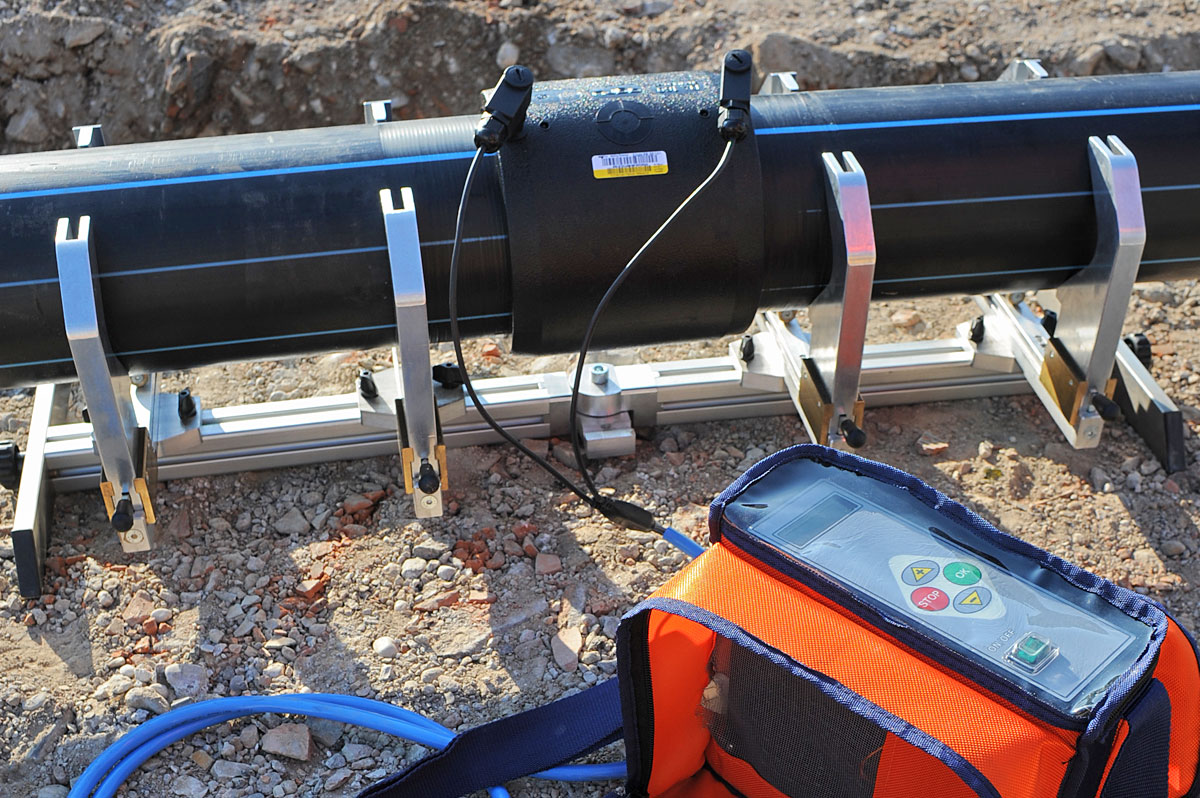
They withstand a nominal pressure of 16 bar in water pipes and 10 bar in gas pipes. In the market you can also find electrowelded accessories PN 25 bar. They are usually black or blue for water and black or yellow for gas and are welded with a voltage of between 8 and 42 volts depending on the model although the most common voltage and currently used by manufacturers is 40 volts. The introduction of welding data (voltage and fusion time) in the electrofusion machine can be done with manual equipment or with equipment that records the data of the accessory by reading its barcode through an optical pen or scanner.
The electrofusion fittings are supplied with labels or magnetic cards with bar codes and all the relevant information of the product, as well as the fusion data appear. Here are some steps to perform electrofusion.
Step 1: Preparation
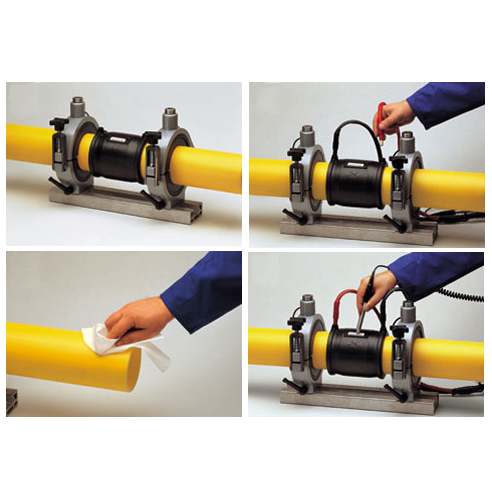
During transportation, handling and laying of the PE pipes there is the possibility of damaging them if care is not taken. Scratches should not exceed 10% of the wall thickness in water pipes and 5% in gas pipes. Clean the joint area of the tube with a rag or towel that leaves no residue.
Step 2: Scrape
To ensure a good joint, the surface area of the pipe to be welded must be scraped to remove impurities, dirt, grease, etc. that can contaminate the welding. The length to be scraped should be marked with a marker and use a rotating scraper. For manual loading, a manual scraper can be used.
Step 3: Aligners
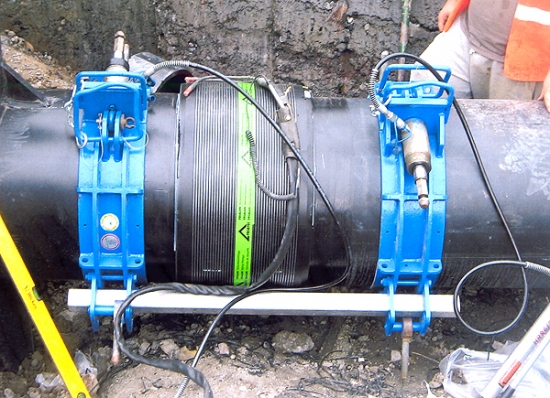
The MOST important part of the electrofusion process is to ensure that the tubes have no movement and are aligned during the heating and cooling phases. If the tube moves during the cooling phase, the formed joint will fail. The aligners help to make a good union, avoiding the movement of the tubes.
Step 4 : Welding
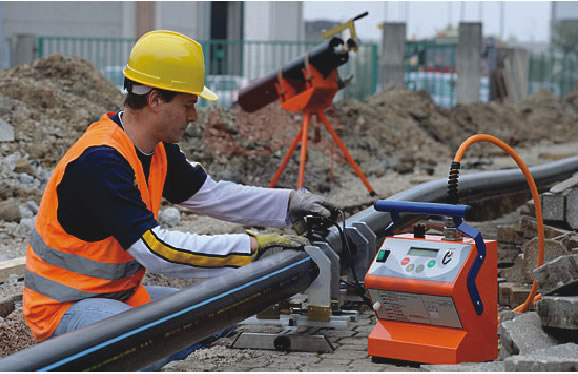
The accessories are welded with a welding machine electrofusion ( EF ) , which can be manual or automatic with barcode reader or card.
• Connect the machine to a power supply
• Follow the instructions on the screen and select Barcode ( for example).
• Connect the machine to the attachment and read the bar code . Welding begins
• When finished, let it cool before removing the aligner .
Step 5: Traceability
The traceability of pipes buried in the ground is very important. Owners of gas and water networks need to know what is brazed , when and by whom.
• The machine uses EF USB Flash memory that allows us to transfer data to a normal Windows program like Excel.
Step 6: Repair
If a leak occurs in old pipe it is necessary to stop the flow for repair. This is done with a Clamp There Manuals clamps for pipes up to 110 mm.. Hydraulic clamps are used from this diameter.
VERY IMPORTANT !:It is necessary to scrape the area of the tube to be welded to remove the dirt and the oxidation film originated by the oxygen in the air, otherwise an incorrect welding will be produced and the joint will not be tight or resistant to the internal pressure .
During the process of electrofusion not longitudinal movement of the tube it is required, so it is ideal for making difficult installations, repairs and any other subsequent operations to the installation as making connections without removing the pressure from the network using shots load.
The use of electrofusion pipe joint or valves PE pipe installation allows the same material buried homogeneous, safe, economical and effective.